Safety and guidelines
We are in the Arctic. Winter may not be as cold as you imagine, and summer may not be as warm as you hope. The wind on the day of your trip is the biggest factor affecting the actual temperature, especially at sea. This means it’s best to be prepared for a little bit of everything—no matter the season! On this page, you’ll find all the information you need to get ready for your adventure.
Floatation suits & life vests: On our RIB boat trips, we provide water-repellent, warm flotation suits and life vests. What you wear underneath depends on the weather. In winter, an extra layer of outdoor clothing is recommended, while on a perfect summer day, a t-shirt may be enough. Gloves, mittens, and a hat are recommended all year round. During winter, we also provide warm suits for passengers on the large boat. Dressing in layers and using wool is always advised.
We follow established guidelines for whale and bird watching. Further down this page, you can read more about these guidelines, as well as information on NorWhale and the official handbook on whale and dolphin watching.
Dos: ✅
- warm clothes, several layers (best: wool)
- Warm, waterproof shoes
- Warm waterproof gloves/mittens
- Clothes to change
- thermos with warm water & small waterproof bag
Tips :
worldadventuredivers.com/
Don'ts: ❌
- Sneakers
- No gloves / thin gloves
- Only swimwear
- Unprotected camera/gear
Frequently asked questions
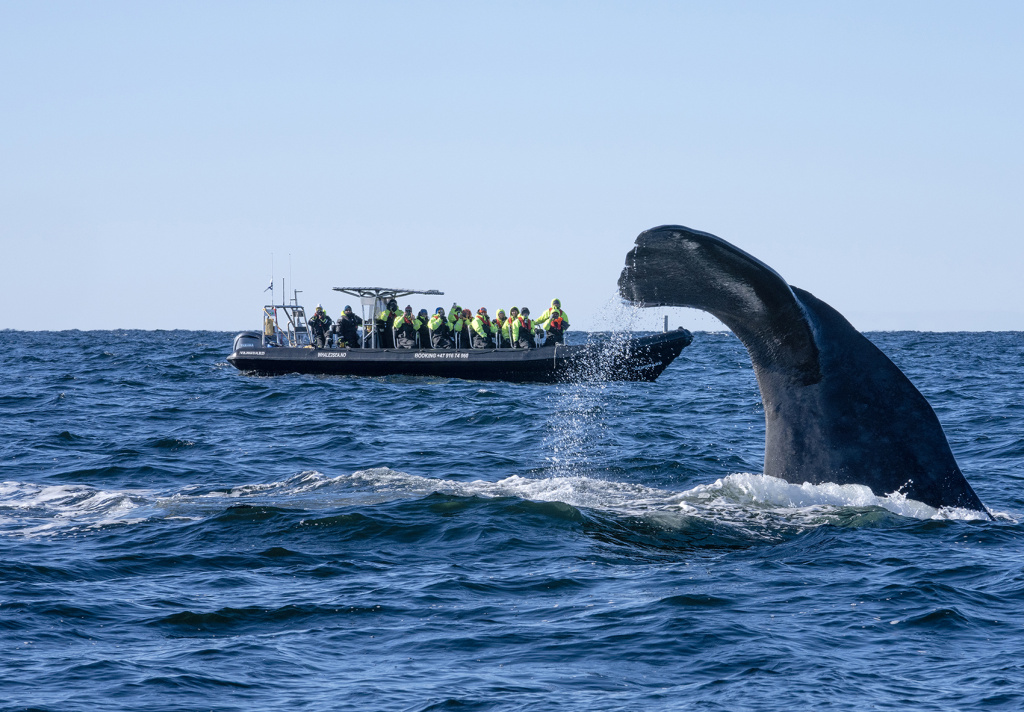
Seasickness depends on sea conditions and on how you are feeling on the day of the trip. The larger boat moves more than the RIB boats and may therefore cause seasickness for more passengers. We recommend not skipping meals before going to sea, as an empty stomach can increase the likelihood of feeling unwell. It is very rare to feel seasick while the boat is moving; discomfort usually occurs when staying still. Try not to let this concern affect your experience—most guests do not feel sick at all. If you do start to feel unwell, focus on a fixed point on the horizon and keep your eyes open, as closing them can further disturb your balance.
If you have any medical condition that you think we should be aware of, please inform us beforehand. This includes heart conditions, diabetes, or back and hip problems. If you are pregnant, we also ask that you let us know in advance. This information helps us decide where to seat you on the boat. On RIB boats, the front seats are most affected by the boat’s movements, while on the large boat the lower deck feels more stable.