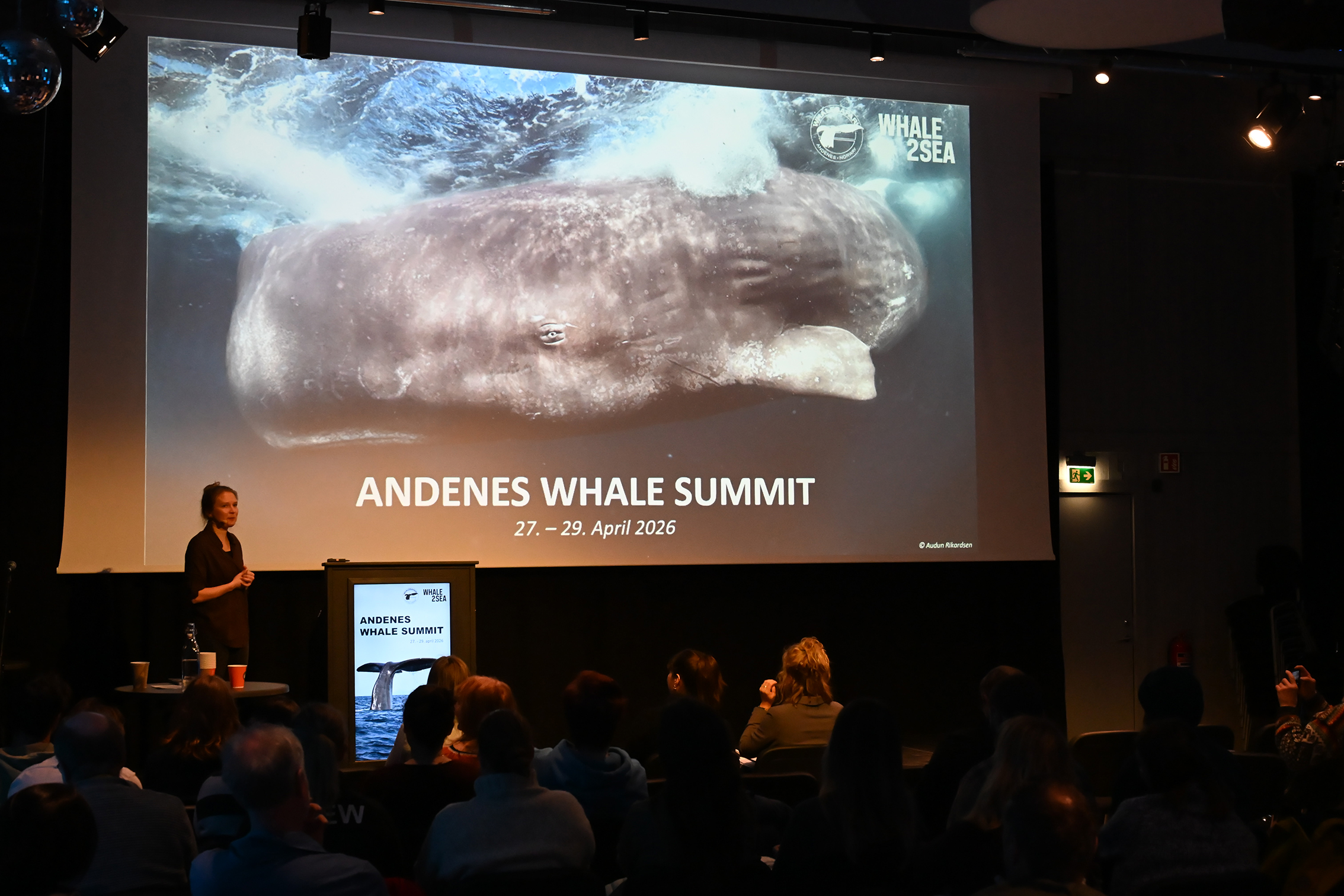
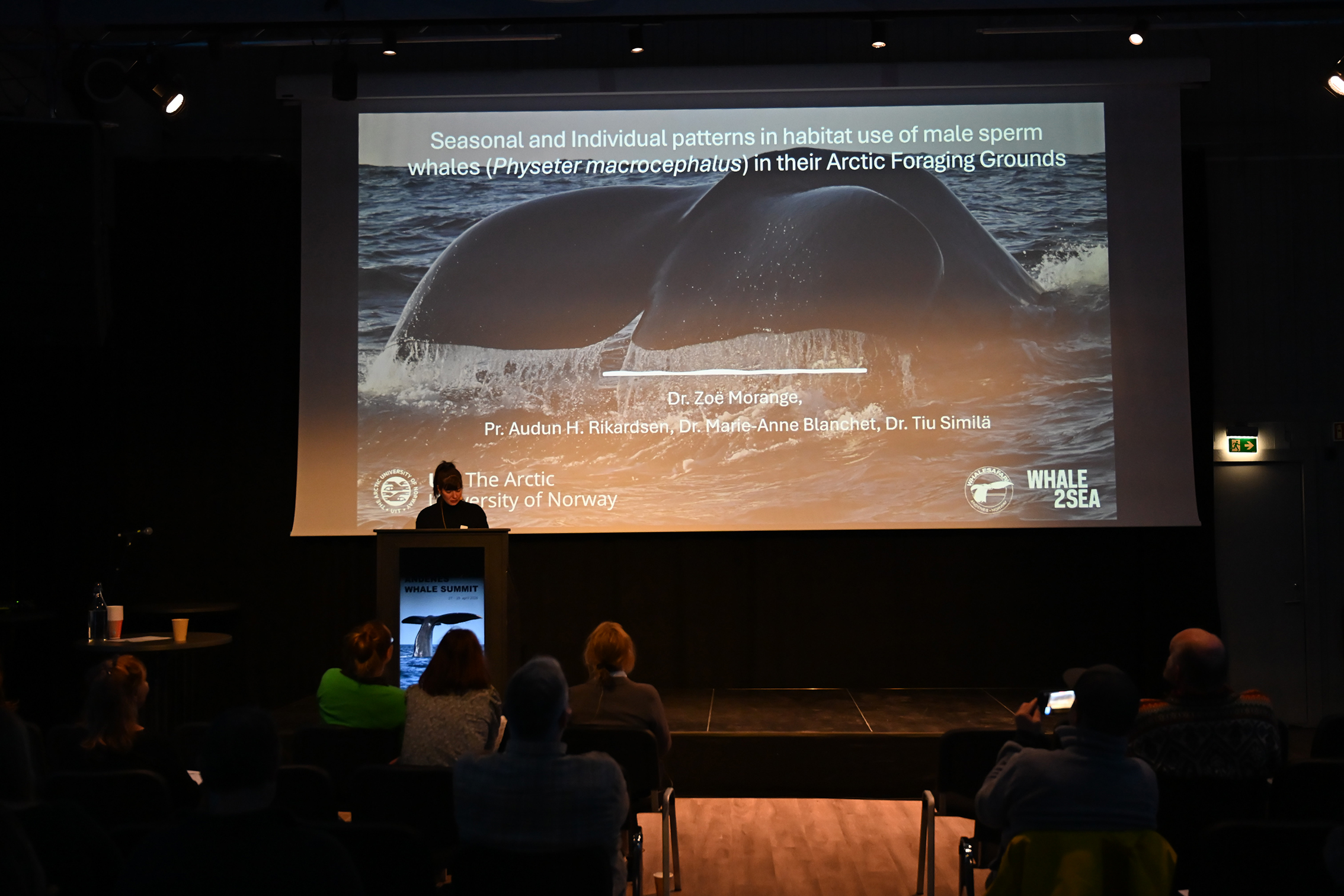
Andenes Whale Summit

27. - 29. April 2026

Welcome to Andenes, the whale capital of Norway!

Together with our skilled partners, we seek to showcase our activities, emphasizing the research findings from the past six years and how this work contribute to a positive impact on marine life and better whale knowledge.

THE PROGRAM:
Whale2Sea Whalesafari combines research on whales and whale watching
– Why is this a success and what ripple effects does it create?

The summit will last over three days, were we start with an evening-event the 27th of April, at 6 pm. If the weather is good, we will go out at sea in the afternoon. For Tuesday and Wednesday the summit´s lecture program is from 9 am to 4 pm. In addition to the lectures, there will be social activities with whale and bird safaris to showcase our knowledge-based products. More detail of the program will come!

Register for the summit in the right side box or contact our project leader on email for questions: astrid@whalesafari.no

PRICE:
NOK 3 500 for participation on the Summit. We have student discounts.
Included: Educational program, lunch, dinner and activity. A tour out at sea is included.

ACCOMMODATION:
For accommodation you find the contact information below. Give the reference-code "Whale Summit 2026" for our summit-price.

KEY-SPEAKERS

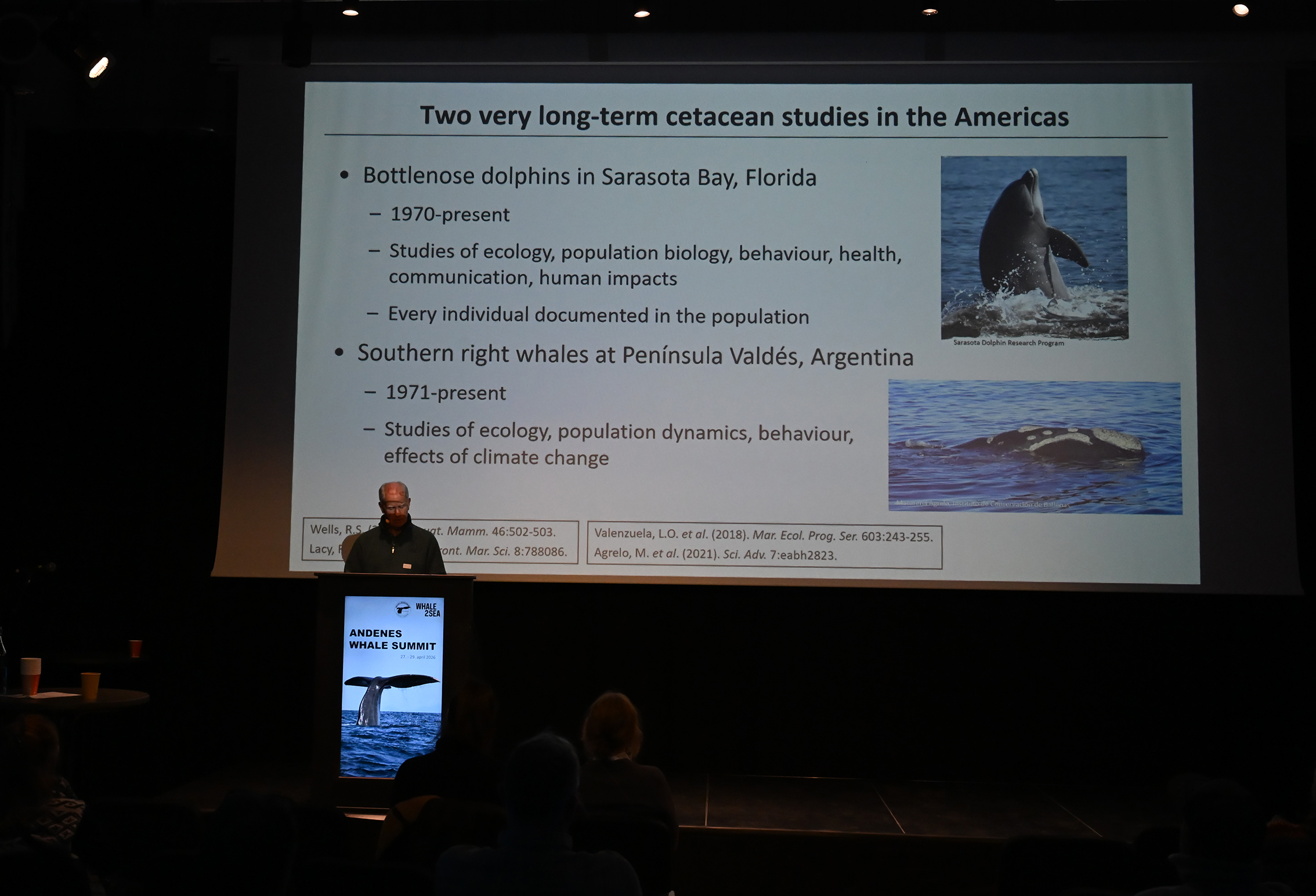
Philip Hammond.
prof. Philip Hammond
Philip Hammond is emeritus professor at the University of St Andrews in Scotland. His primary interest is in population dynamics and ecology, in particular the applied aspects of how seals and cetaceans interact with human activities. Research foci include investigating habitat use, foraging ecology and diet of marine mammals, estimating abundance, survival and reproductive rates, and modelling population dynamics. He co-founded the Scottish east coast bottlenose dolphin project in 1989 which continues to study the dynamics of a small coastal population in a changing environment. He co-initiated the series of SCANS cetacean surveys to estimate abundance and model distribution of cetaceans in European Atlantic waters, coordinating the first three surveys in 1994, 2005/07 and 2016.
dr. Jonathan Gordon
Jonathan Gordon is a biologist, based in the UK, who has studied, campaigned for and admired marine mammals for over 4 decades. Sperm whales, have been a particular and enduring interest. His PhD was one the first attempts to study live sperm whales, and since then he has worked with this species on a variety of projects in many parts of the world. Much of this work has involved whale watching and included: studies to measure impacts of whale watching on whale behaviour, using whale watching as a source of data for biological studies, transferring knowledge and equipment from research to make whale watching more efficient and less disruptive and campaigns to promote whale watching as an alternative to consumptive explication. Inevitably, this “career” has brought him to Andenes several times and he’s had the pleasure of working with Tiu and the Whale2Sea team helping them to establish this initiative.
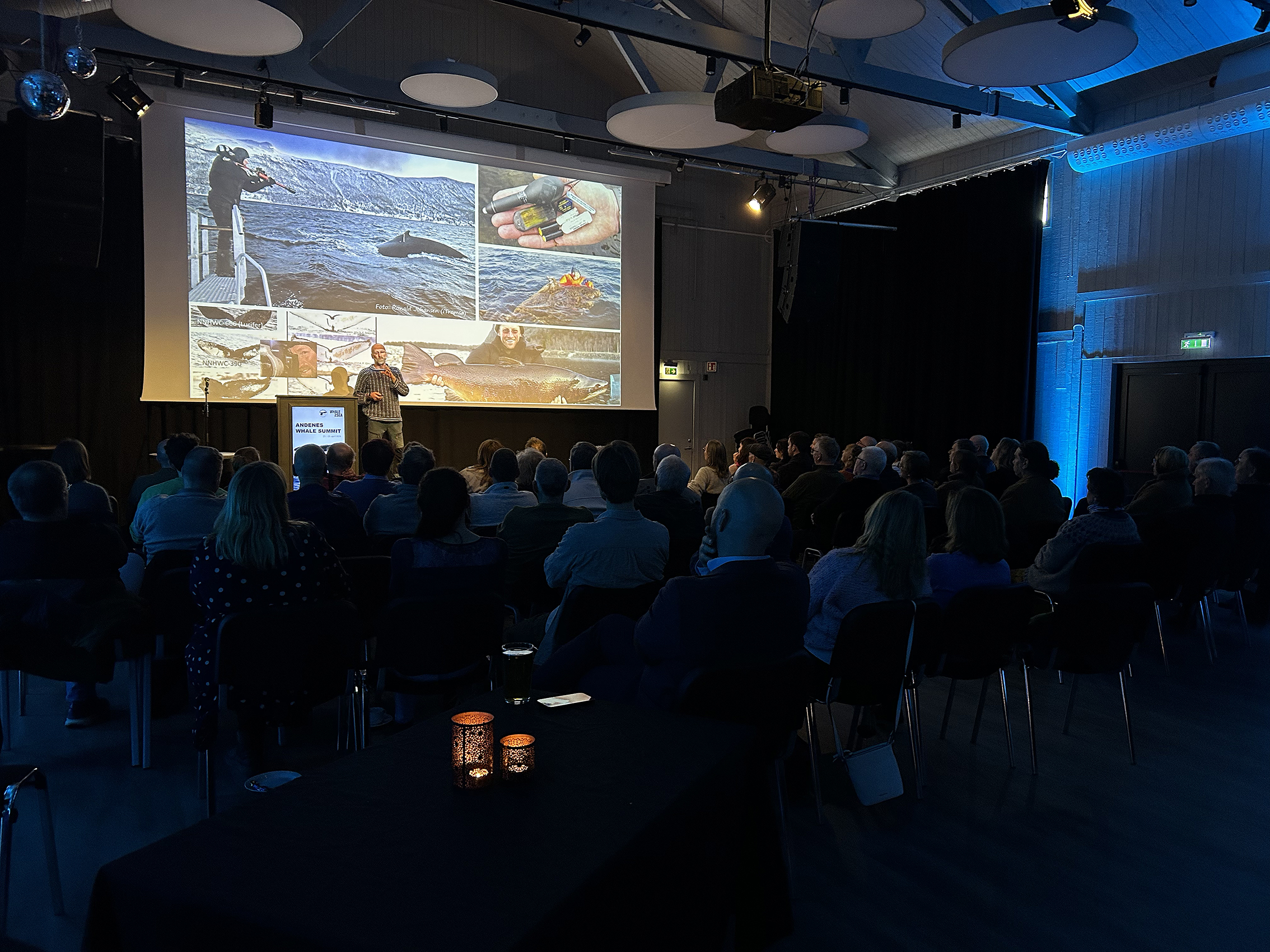
prof. Audun Rikardsen
Audun Rikardsen is a professor in marine biology at the University of Tromsø. His research work has focused both on fish and whales with an emphasis on studies using telemetry. Audun is also an award winning nature photographer and has participated in several TV documentaries and films as has written popular science articles and books.
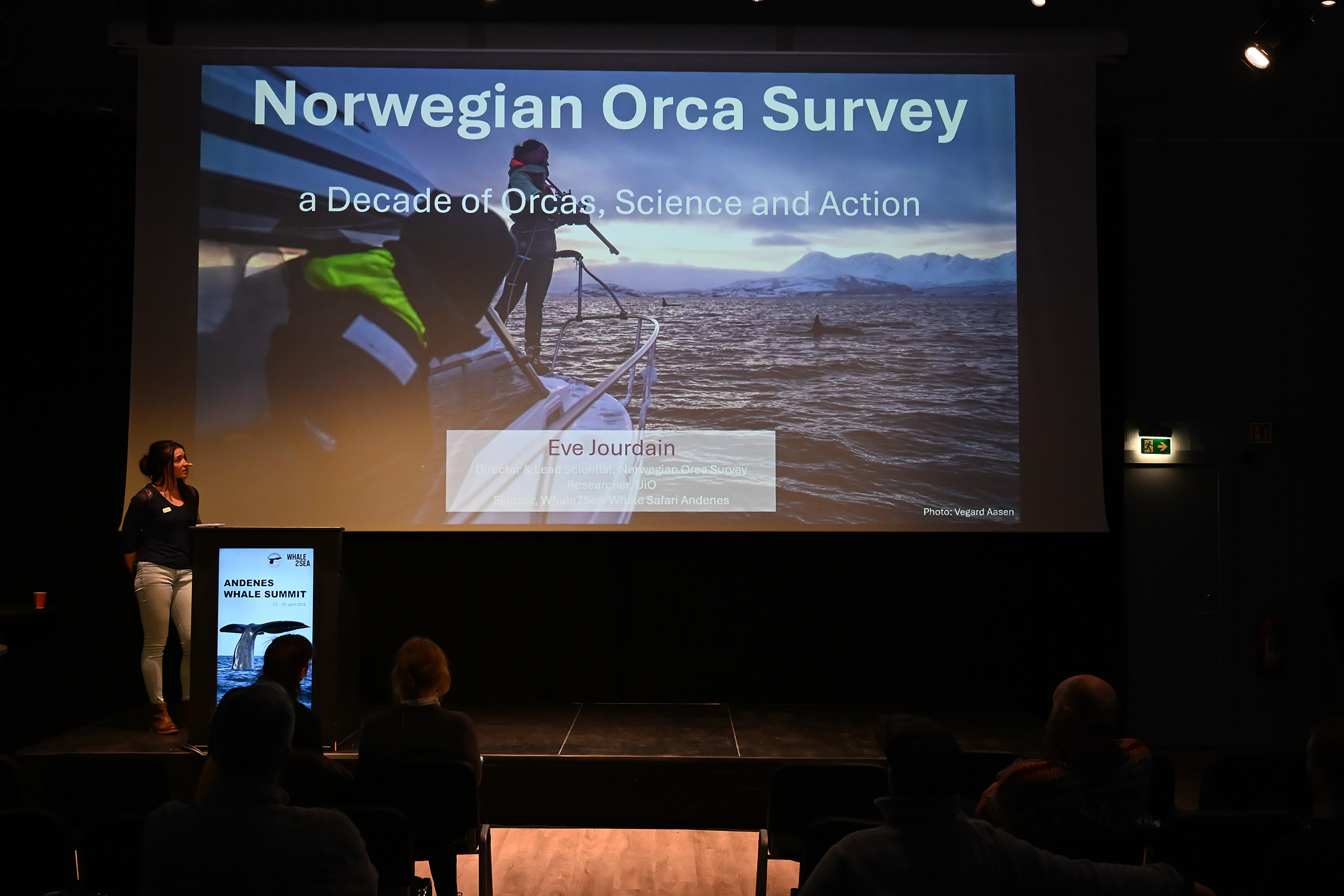
dr. Eve Jourdain
is a marine ecologist dedicated to advancing our understanding of killer whale behaviour, ecology, and social dynamics. She is the founder and director of the Norwegian Orca Survey, where she works to document and protect Norway’s killer whale population through science, outreach, and collaboration. Eve has been leading long-term research on Norwegian killer whales for more than a decade. Through her work with the University of Oslo, she integrates field observations, drone-based methods, and cutting-edge biological markers from tissue samples to uncover how these apex predators forage and interact within their ecosystems. Her commitment to combining rigorous research with public engagement has made her a leading voice in killer whale science. Eve is delighted to join the conference as a keynote speaker and share new insights from her ongoing work.

Film below shows suction tag attachment of a Spermwhale off Andøy ©Seàn O´Callaghan